Creating a Good and Interactive Learning Environment for Effective Studying
A good and interactive learning environment plays a crucial role in shaping a student’s academic success and overall development. In today’s fast-paced and competitive world, simply memorizing facts is no longer enough. Students need an environment that encourages curiosity, engagement, creativity, and active participation. An effective study environment is not just about physical space—it also includes emotional comfort, teaching methods, and the use of modern tools that make learning enjoyable and meaningful.
First and foremost, a positive learning environment promotes comfort and focus. When students feel safe, respected, and valued, they are more likely to participate actively in their studies. A well-organized and distraction-free space helps students concentrate better. Proper lighting, comfortable seating, and minimal noise can significantly enhance productivity. Whether at home or in a classroom, maintaining a clean and structured environment helps students stay motivated and reduces stress.
Another important aspect of an interactive learning environment is student engagement. Traditional teaching methods often rely on one-way communication, where the teacher speaks and students listen. However, interactive learning encourages two-way communication. Discussions, group activities, debates, and problem-solving sessions allow students to express their ideas and learn from others. This not only improves understanding but also builds confidence and communication skills.
Technology has also become a key component in making learning interactive. Digital tools such as smart boards, online quizzes, educational apps, and video lectures can make complex topics easier to understand. Visual and audio elements help students grasp concepts quickly and retain information for a longer time. For example, watching a science experiment or a coding demonstration can be far more effective than just reading about it. Additionally, online platforms provide access to a vast range of resources, allowing students to explore topics beyond their textbooks.
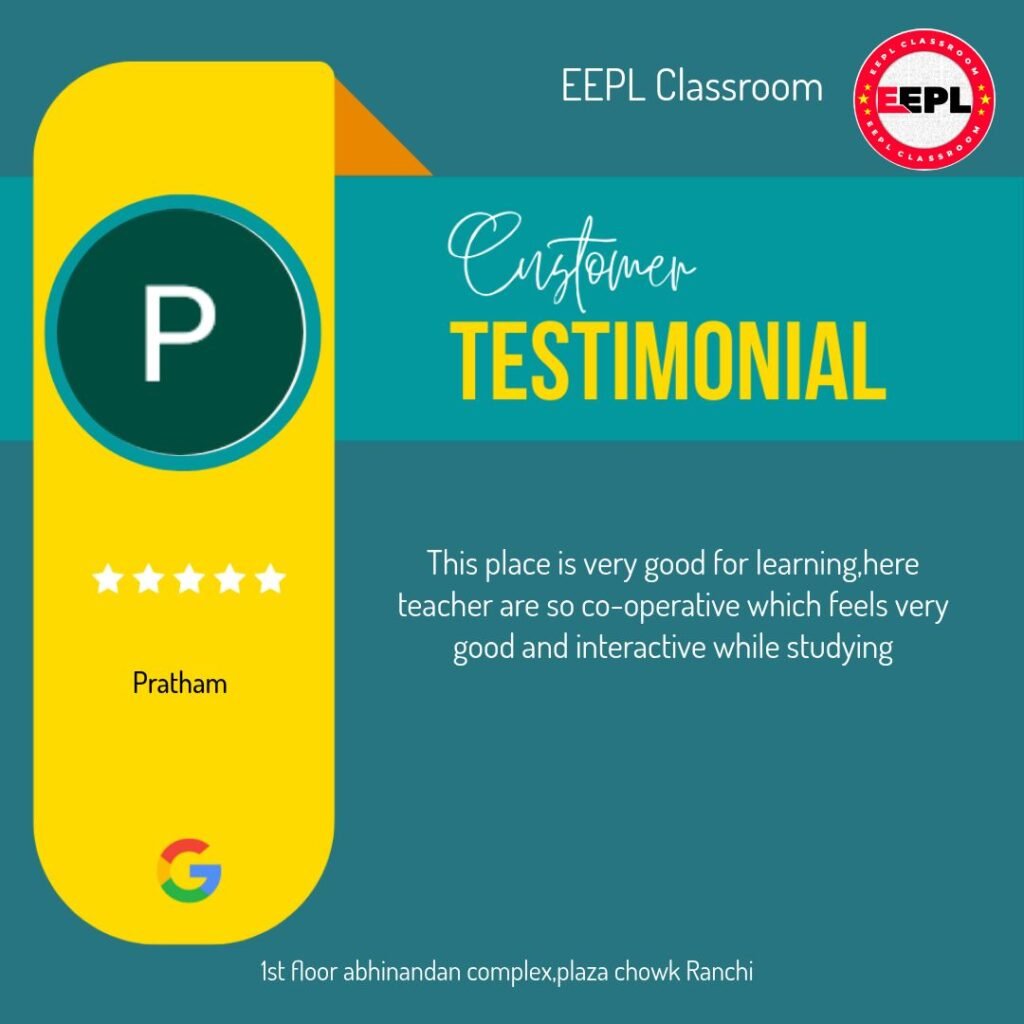
Active learning techniques further enhance the effectiveness of a study environment. Instead of passively reading or listening, students should be encouraged to participate in activities like note-making, mind mapping, and real-life applications of concepts. When students actively engage with the material, they develop critical thinking and problem-solving skills. Teachers and mentors can play a vital role by designing tasks that challenge students and encourage them to think creatively.
Peer learning is another powerful element of an interactive environment. Studying in groups allows students to share knowledge, clarify doubts, and learn different perspectives. It also creates a sense of collaboration and teamwork. When students explain concepts to each other, their own understanding becomes stronger. Group discussions and study sessions can make learning more enjoyable and less stressful.
Motivation and encouragement are equally important. A supportive environment where efforts are appreciated can boost a student’s confidence. Positive feedback from teachers, parents, or peers inspires students to perform better. Celebrating small achievements and progress helps maintain enthusiasm and keeps students engaged in their learning journey.
Moreover, flexibility in learning methods is essential. Every student has a unique learning style—some prefer visual learning, while others learn better through listening or hands-on activities. An effective environment accommodates these differences and provides multiple ways to understand a concept. This inclusivity ensures that no student feels left behind.
Time management and discipline also contribute to a productive study environment. Setting clear goals, following a study schedule, and taking regular breaks can improve efficiency. Interactive methods like quizzes, flashcards, or timed challenges can make studying less monotonous and more engaging.
In conclusion, a good and interactive learning environment is the foundation of effective studying. It combines comfort, engagement, technology, collaboration, and motivation to create a space where students can thrive. By focusing on active participation and personalized learning, students not only gain knowledge but also develop essential life skills. Creating such an environment is not just the responsibility of teachers or institutions—it is a collective effort that involves students, parents, and educators working together to make learning a truly enriching experience.
For More Information and Updates, Connect With Us
- Name Survi kumari
- Phone Number: +91-7488713635
- Email ID: survi.eeplclassroom@gmail.com
- Our Platforms:
- Digilearn Cloud
- EEPL Test
- Live Emancipation
- Follow Us on Social Media:
- Instagram – EEPL Classroom
- Facebook – EEPL Classroom
Stay connected and keep learning with EEPL Classroom!

Leave a Reply