Body language plays a vital role in communication, often speaking louder than words. It includes gestures, facial expressions, posture, eye contact, and overall physical behavior. In both personal and professional interactions, effective body language helps convey confidence, clarity, and sincerity. Whether you are attending an interview, giving a presentation, or having a casual conversation, your body language can significantly impact how others perceive you.
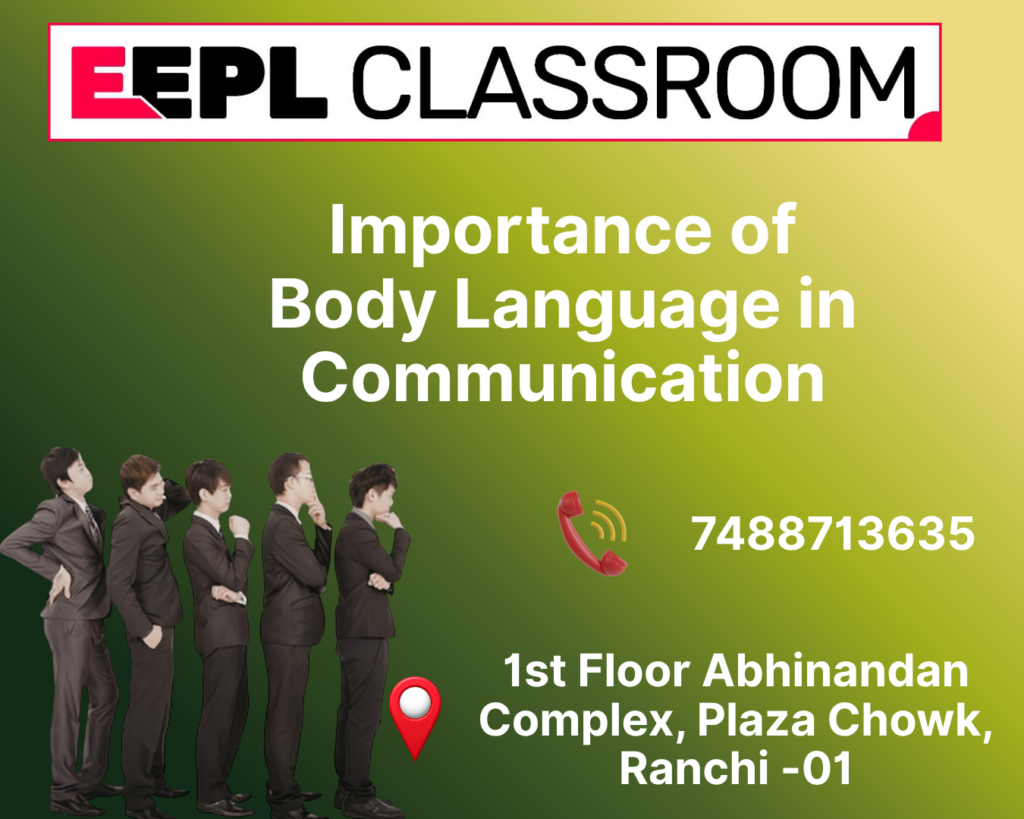
🔹 What is Body Language?
Body language refers to the non-verbal signals we use to communicate. These signals include hand movements, facial expressions, posture, eye contact, and tone of voice. Even without speaking, a person can express emotions like happiness, confidence, nervousness, or discomfort through body language. It is an essential part of communication that complements spoken words.
🔹 Role of Body Language in Communication
Body language enhances verbal communication by adding meaning and emotion. For example, maintaining eye contact while speaking shows confidence and interest, while a smile creates a positive impression. Proper gestures can emphasize important points, making communication more engaging and understandable.
In many cases, body language can even replace words. A nod can indicate agreement, while crossed arms may suggest discomfort or disagreement. Understanding these signals helps in better interaction with others.
🔹 Importance in Interviews and Presentations
In job interviews and presentations, body language plays a crucial role. Interviewers often observe how candidates sit, speak, and respond. A confident posture, steady eye contact, and calm gestures can create a strong positive impression.
Similarly, during presentations, good body language helps in capturing the audience’s attention. Standing straight, using appropriate hand gestures, and maintaining eye contact make the presentation more effective and professional.
🔹 Building Confidence Through Body Language
Positive body language helps build self-confidence. When a person maintains good posture, avoids unnecessary movements, and speaks clearly, they appear more confident. Practicing body language techniques can also reduce nervousness and improve overall communication skills.
🔹 Common Body Language Tips
- Maintain eye contact while speaking
- Keep a straight and relaxed posture
- Use natural hand gestures
- Avoid crossing arms or slouching
- Smile to create a friendly impression
- Avoid excessive or distracting movements
These simple practices can greatly improve how others perceive you.
🔹 Body Language in Daily Life
Body language is not only important in professional settings but also in daily interactions. Whether talking to friends, teachers, or strangers, non-verbal cues help express feelings and intentions clearly. Good body language improves relationships and makes communication more effective and meaningful.
🔹 Cultural Differences in Body Language
Body language can vary across cultures. A gesture that is acceptable in one culture may have a different meaning in another. Therefore, it is important to be aware of cultural differences, especially in international communication or diverse environments.
🔹 Improving Body Language Skills
Improving body language requires awareness and practice. Watching yourself in a mirror, recording your speech, or observing confident speakers can help you learn better expressions and gestures. With consistent practice, positive body language becomes natural.
Body language is a powerful tool that enhances communication beyond words. It helps express emotions, build confidence, and create a strong impression in both personal and professional situations. By developing good body language habits such as maintaining eye contact, using proper gestures, and standing with confidence, individuals can significantly improve their communication skills and overall personality.
For More Information and Updates, Connect With Us
- Name Survi kumari
- Phone Number: +91-7488713635
- Email ID: survi.eeplclassroom@gmail.com
- Our Platforms:
- Digilearn Cloud
- EEPL Test
- Live Emancipation
- Follow Us on Social Media:
- Instagram – EEPL Classroom
- Facebook – EEPL Classroom
Stay connected and keep learning with EEPL Classroom!

Leave a Reply